
Exhibition Design in 2026: From Booths to Brand Experiences
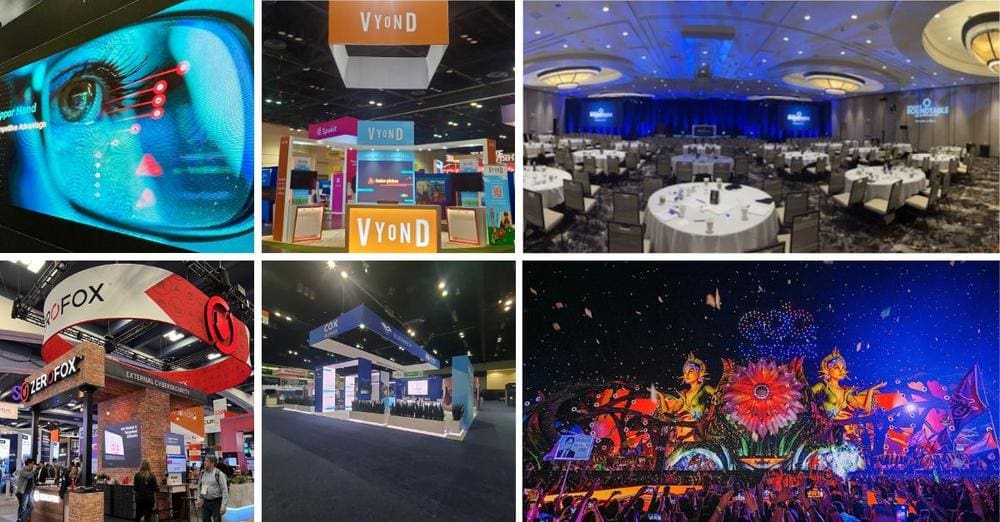
Exhibition design has evolved well beyond walls, graphics, and floor plans. In 2026, the most successful exhibits are immersive brand environments—engineered to attract attention, guide behavior, and deliver measurable business outcomes.
Trade show floors are more competitive than ever. Attendees move quickly, attention spans are short, and brands have only seconds to make a meaningful impression. In this environment, exhibition design is no longer just about looking good. It’s about working intelligently—supporting storytelling, engagement, and results.
Below, we explore how exhibition design is changing in 2026 and what exhibitors must consider to stand out.
Exhibition Design Is Now Strategic, Not Just Decorative
Technology Is Embedded, Not Added On
One of the most important evolutions in exhibition design is not what technology is used, but how it is deployed.
In 2026, the most successful exhibits are not those with the most screens—they are the ones where technology feels intentional, integrated, and invisible. Rather than treating AV as an afterthought, leading exhibitors embed technology into the design from the very beginning, making it part of the structure, flow, and narrative of the space.
This shift transforms technology from a visual accessory into a functional design element.
Designing Exhibition Design Technology Into the Environment
Modern exhibition design treats technology as architecture. Screens are no longer bolted onto truss at the last minute; they are built directly into walls, frames, and scenic elements.
Key trends shaping this approach include:
-
beMatrix LED walls integrated into booth architecture, creating seamless surfaces where structure and content are one and the same
-
Distributed displays placed strategically throughout the booth to support multiple messages or use cases simultaneously
-
Lighting designed as a navigational tool, drawing attention to focal points, highlighting key zones, and subtly guiding attendee movement
-
Audio systems engineered by zone, ensuring demos are audible without overpowering nearby conversations or presentations
When technology is planned this way, it works together rather than competing for attention.
Supporting Multiple Experiences in One Space
Trade show booths are rarely single-purpose. In a limited footprint, exhibitors may need to support demos, meetings, presentations, casual conversations, and content capture—all at once.
Embedded technology makes this possible by:
-
Allowing different content to play in different areas simultaneously
-
Creating visual and auditory boundaries without physical walls
-
Supporting transitions throughout the day as audience needs change
-
Reducing clutter by eliminating redundant hardware
This layered approach enables exhibits to function like flexible environments rather than static displays.
Cohesion Over Complexity
Thoughtful technology integration enhances the experience without overwhelming it. Attendees don’t feel bombarded by screens, sound, or light—they feel guided.
A cohesive exhibition design helps visitors intuitively understand:
-
Where to enter
-
Where to engage
-
Where to watch or listen
-
Where to have a conversation
When technology supports these cues naturally, the booth feels approachable and easy to navigate, even in busy show conditions.
Exhibition Design Technology That Serves the Story
Ultimately, embedded technology exists to serve the story the exhibitor is telling. Visuals reinforce key messages. Lighting emphasizes moments that matter. Audio supports clarity and connection.
In 2026, the most effective exhibition environments are not defined by the amount of technology they contain, but by how seamlessly that technology supports the experience.
When technology is embedded—not added on—exhibition design becomes cleaner, more intentional, and far more effective at turning attention into engagement.
Architecture Becomes the First Message
In 2026, booth architecture does more than define space—it communicates intent.
Open, welcoming layouts signal accessibility and conversation. Enclosed or semi-enclosed environments suggest immersion, focus, or premium experiences. Vertical elements attract attention from across the show floor, while thoughtful sightlines ensure messaging is clear from multiple angles.
Modular systems, such as beMatrix frames, have become foundational to modern exhibition design because they allow teams to:
-
Adapt layouts to different booth sizes and venues
-
Integrate lighting, graphics, and LED seamlessly
-
Maintain consistency across multi-show programs
-
Scale designs without starting from scratch
Architecture is no longer static—it’s flexible, reusable, and purpose-built.
Content Drives Exhibition Design—Not the Other Way Around
A defining characteristic of strong exhibition design in 2026 is content-first thinking.
Instead of designing a booth and then figuring out what to show, leading exhibitors start with content strategy:
-
What messages matter most?
-
What needs to be explained visually?
-
What should change throughout the day or event?
-
How will content differ for different audiences?
Dynamic digital content has largely replaced static graphics. Messaging can now evolve by time of day, product focus, or audience type—keeping exhibits fresh and relevant even across multi-day shows.
This approach allows exhibitors to test, refine, and optimize messaging in real time.
Designing for Flow, Not Just Footprint
Square footage alone no longer defines success. How attendees move through a space matters just as much as how large it is.
Modern exhibition design emphasizes:
-
Clear entry points that invite engagement
-
Logical pathways that reduce congestion
-
Defined zones for demos, meetings, and casual conversation
-
Visual cues that guide attention without signage overload
When flow is designed intentionally, booths feel intuitive and welcoming rather than chaotic or intimidating.
Measurement Is Built Into the Design
In 2026, exhibition design is expected to deliver insight—not just impressions.
Many exhibitors now incorporate:
-
Badge or RFID tracking
-
Engagement analytics from interactive displays
-
Lead capture tied to specific content or zones
-
Post-show data analysis to inform future design decisions
Designing with measurement in mind allows teams to understand what actually worked—and to continuously improve from show to show.
Budget Discipline Meets Creative Design
Another major evolution in exhibition design is financial maturity.
Rather than investing in one-off custom builds, experienced exhibitors prioritize:
-
Modular systems that can be reused and reconfigured
-
Technology that supports multiple use cases
-
Designs that scale across shows and venues
-
Long-term ROI over short-term spectacle
Creative constraints often lead to better outcomes. When design, technology, and budget are aligned, exhibits become more focused, more flexible, and more effective.
The Role of the Right Production Partner
Executing modern exhibition design requires more than fabrication—it requires coordination across design, AV, content, logistics, and on-site execution.
A partner like Total Show Technology helps exhibitors:
-
Translate strategy into functional design
-
Integrate AV and technology seamlessly
-
Avoid overbuilt or underperforming elements
-
Ensure reliability under real show conditions
The right partner doesn’t just build booths—they help engineer experiences that perform.
Exhibition Design as a Competitive Advantage
In 2026, exhibition design is no longer a background consideration. It is a strategic asset.
The exhibits that stand out are not necessarily the largest or most expensive. They are the ones that are intentional, flexible, and intelligently designed—where architecture, technology, and content work together to tell a clear story.
When done well, exhibition design doesn’t just attract attention. It creates engagement, builds trust, and delivers results that last long after the show floor clears.
Make Your Exhibition Design Stand Out
An effective exhibition design is key to your ability to achieve your trade show goals. Choose an audiovisual production partner that has strategic insights into how to make trade show booths stand out.
TST proudly supports more than 3,500 events for our valued clients each year, and we regularly collaborate with our clients to create custom trade show displays and experiences to meet their goals. We can provide exhibition design support that encourages visitors to keep talking about your booth and your offerings long after the trade show ends.
Ready to make your next trade show booth reflect your brand and look startlingly different from your competitors’ booths? Visit our website at www.totalshowtech.com or reach out!
